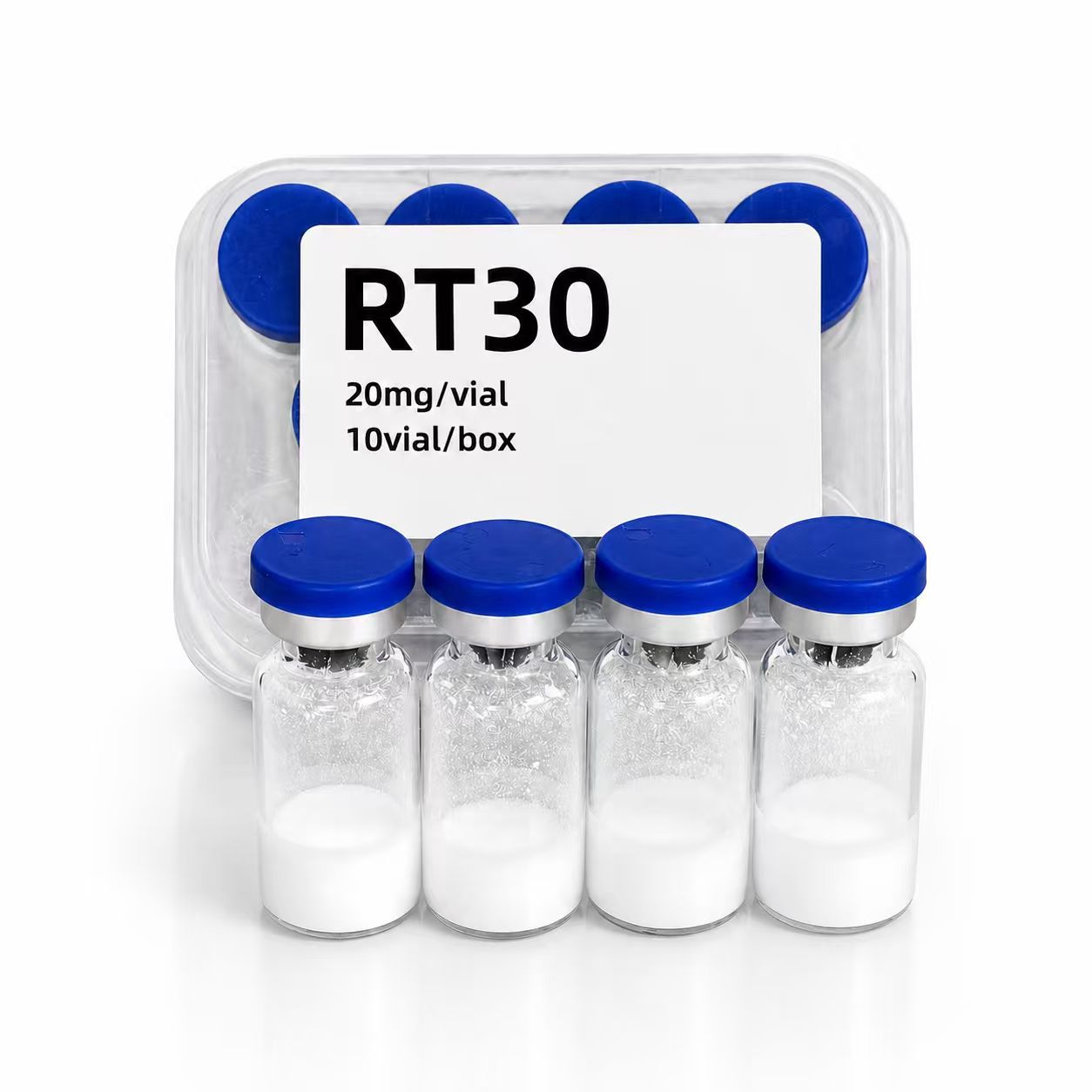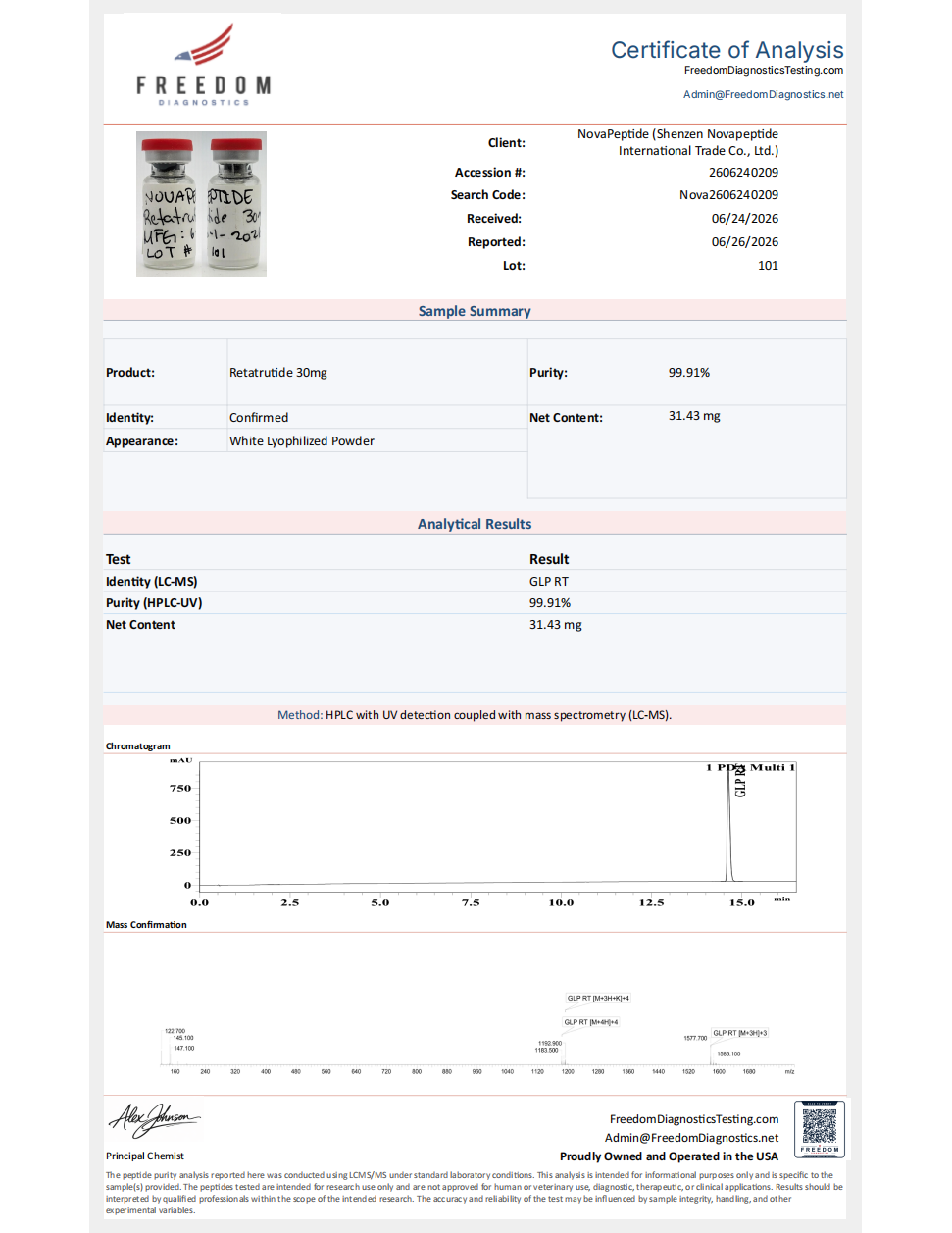
What Is Retatrutide? A Complete Research Overview of the Triple Agonist Peptide
Retatrutide has become one of the most discussed research compounds in modern peptide science. As a novel peptide-based compound, it has attracted attention because of its unique mechanism involving multiple hormone pathways.
This article provides an overview of Retatrutide, including its research background, molecular activity, potential mechanisms, and why it has become an important topic in peptide research.
Retatrutide is a research compound intended for laboratory and scientific research purposes only. It is not approved as a medication for human use.
What Is Retatrutide?
Retatrutide is a synthetic peptide compound designed to interact with multiple metabolic hormone receptors. It is classified as a triple receptor agonist because researchers study its interaction with:
- GLP-1 receptors
- GIP receptors
- Glucagon receptors
These pathways are important areas of metabolic science research, making Retatrutide an interesting compound for ongoing scientific investigation.
How Does Retatrutide Work in Research?
Scientists are studying Retatrutide because of its ability to influence multiple biological signaling pathways. Unlike traditional compounds that focus on a single pathway, Retatrutide represents a multi-pathway research approach.
GLP-1 Pathway Research
GLP-1 (glucagon-like peptide-1) is a naturally occurring hormone involved in biological signaling research. Studies involving GLP-1 receptors focus on understanding:
- Hormonal signaling mechanisms
- Metabolic regulation pathways
- Cellular communication processes
GIP Pathway Research
GIP (glucose-dependent insulinotropic polypeptide) is another incretin hormone being studied for its role in metabolic signaling.
Glucagon Pathway Research
Glucagon plays an important role in energy metabolism research. The combination of GLP-1, GIP, and glucagon receptor activity makes Retatrutide a unique subject within peptide science.
Retatrutide Research Compared With Other Peptide Compounds
Many peptide research compounds focus on a single biological target. Retatrutide has gained attention because researchers are investigating its interaction with multiple receptor pathways.
Current research interests include:
- Receptor interaction studies
- Molecular activity research
- Metabolic signaling investigation
- Peptide technology development
Why Are Researchers Interested in Retatrutide?
1. Multi-Receptor Activity
Retatrutide represents a research approach that combines multiple receptor pathways, which makes it different from many traditional peptide compounds.
2. Advanced Peptide Research
The development of multi-target peptides represents an expanding area of modern biological research.
3. Metabolic Science Exploration
Researchers continue exploring new ways to understand complex metabolic systems and biological communication.
Retatrutide Storage and Laboratory Handling
Research compounds are typically handled according to established laboratory procedures. Common research considerations include:
- Controlled storage conditions
- Protection from environmental exposure
- Proper laboratory documentation
- Following applicable research guidelines
Frequently Asked Questions About Retatrutide
No. Retatrutide is currently considered a research compound and is not approved as a medication for human use.
Retatrutide is studied in scientific research environments to better understand peptide-based metabolic pathways.
Retatrutide is researched as a multi-receptor compound involving GLP-1, GIP, and glucagon pathways.
Peptide research continues to expand because peptides provide valuable insights into biological signaling, molecular interactions, and receptor activity.
Conclusion
Retatrutide represents an important area of modern peptide research due to its unique multi-receptor approach. As scientists continue exploring metabolic pathways and peptide technologies, research compounds like Retatrutide provide opportunities to better understand complex biological systems.
For researchers interested in peptide science, following new scientific developments, research publications, and laboratory standards remains essential.